%20(1)%20(1)-1%20(1)-1-400x280.webp)
The Top 5 Benefits of STEM Education in Summer Camps
Discover STEM camp benefits for kids, from creativity to problem-solving, in a fun STEM summer camp designed for all age groups.
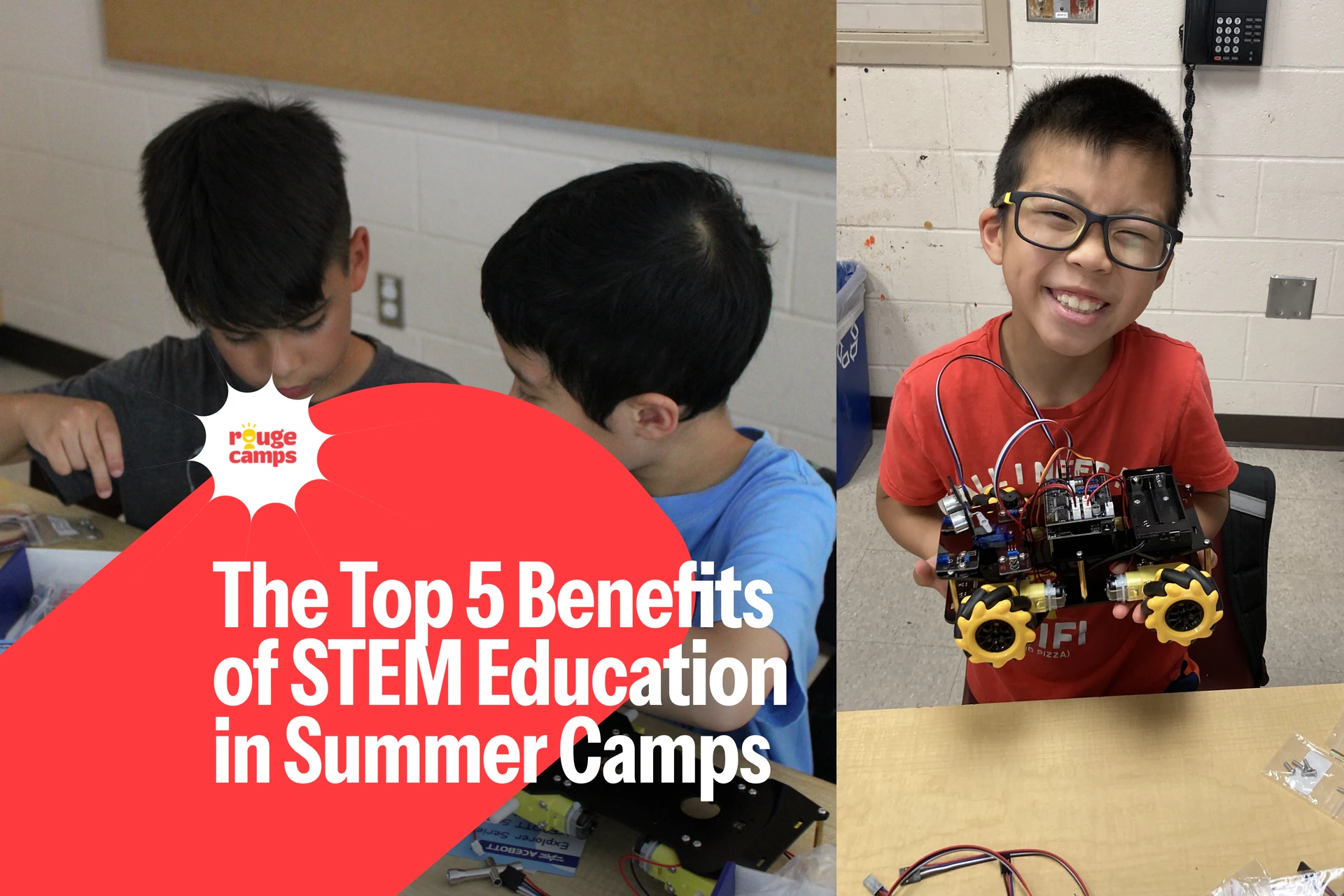
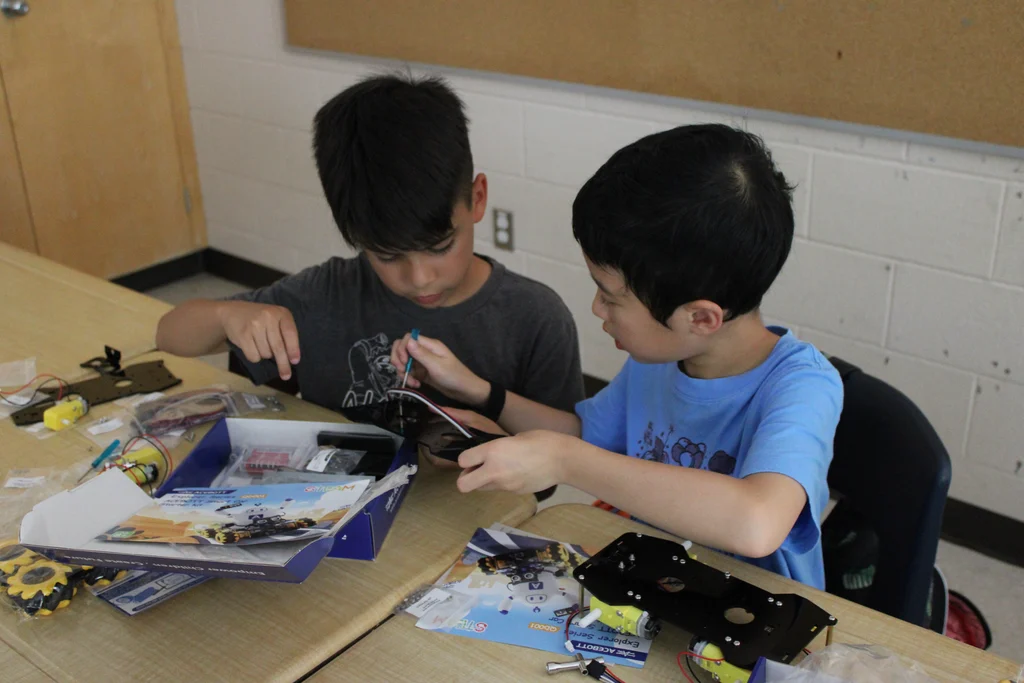
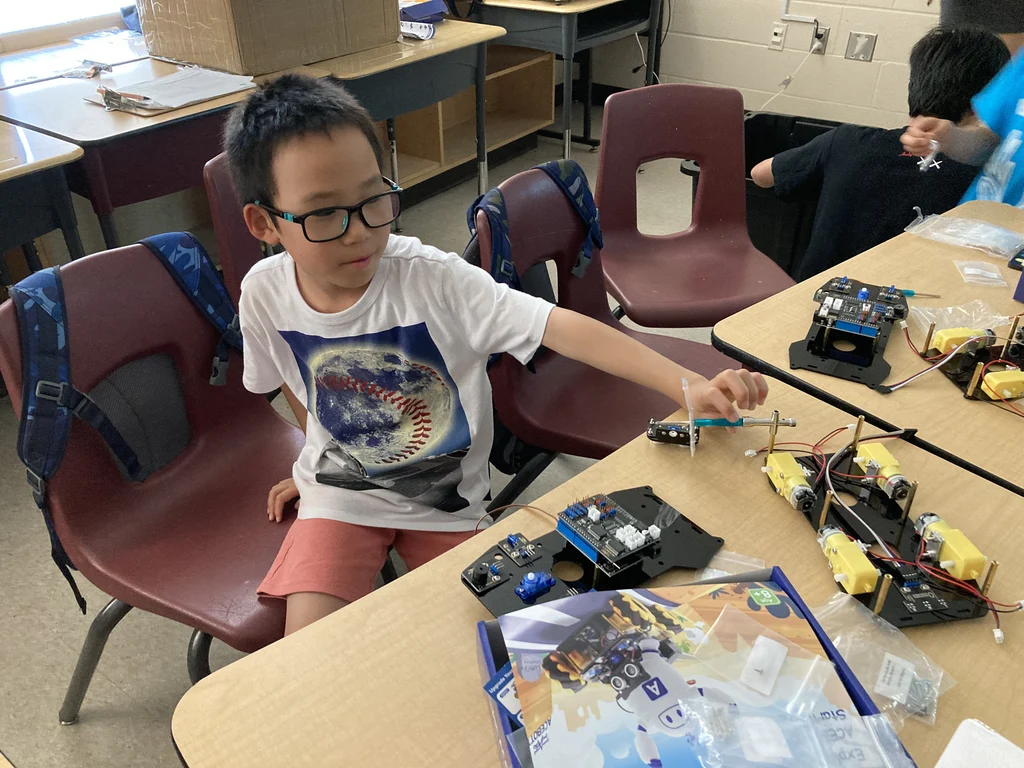 STEM camp benefits start with hands-on projects that get kids collaborating and curious.
As a parent, you’ve probably heard “STEM” mentioned at school meetings, on report cards, and in group chats about summer plans. Science, technology, engineering, and math sound impressive, but what does that actually look like for your child between June and September? And is a STEM summer camp really any different from a regular sports camp or art program?
In this guide, we’ll unpack the top stem camp benefits, how they show up in real camp days, and what to look for when you’re comparing options in York Region and the north GTA. By the end, you’ll know whether a summer STEM camp belongs on your family’s shortlist.
Table of contents
- Why a STEM summer camp belongs on your shortlist
- Benefit 1: Growing confident problem‑solvers
- Benefit 2: Turning school subjects into real life
- Benefit 3: Teamwork, communication, and leadership
- Benefit 4: A healthier relationship with screens
- Benefit 5: Safe, structured care that still feels like camp
- How STEM camp fits with sports, bike, and other camps
- Are STEM camps worth it for younger kids (including 4‑year‑olds)?
- What to look for in a STEM summer camp near you
- Next steps: visit, ask questions, register
TL;DR: Quick summary of STEM camp benefits
- STEM camps give kids a fun, low‑pressure space to explore science, technology, engineering, and math.
- They build problem‑solving, creativity, and confidence that carry into school and everyday life.
- Good programs balance hands‑on projects with active outdoor time and camp‑style traditions.
- STEM camp works alongside sports camp and other favourites, not instead of them.
- Teacher‑led, well‑planned camps provide reliable care for working families and a “big camp feel” kids love.
Why a STEM summer camp belongs on your shortlist
Around the world, education departments describe STEM as an integrated, hands‑on approach that boosts curiosity, creativity, collaboration, and critical thinking, not just test scores.([pa.gov](https://www.pa.gov/agencies/education/programs-and-services/instruction/elementary-and-secondary-education/stem-in-pa.html?utm_source=openai)) Summer is a perfect time to build those habits while kids are relaxed, well‑rested, and open to trying new things.
In a dedicated stem summer camp, kids don’t just hear about concepts like coding or engineering, they experiment, build, test, and tweak. At Rouge Camps, for example, STEM is woven into programs like ROUGE‑botics alongside the classic camp ingredients: counsellor cheers, theme days, and lots of outdoor play.
Feature | Typical day camp | STEM‑focused summer STEM camp |
Main focus | General fun, games, crafts | Hands‑on science, tech, engineering, and math projects |
Skill emphasis | Social skills, basic motor skills, independence | Problem‑solving, creativity, collaboration, perseverance |
Typical activities | Sports, free play, simple crafts | Coding, robotics, building challenges, design projects |
Take‑home impact | Happy memories and new friends | Happy memories, new friends, plus stronger interest in STEM |
“Done well, STEM education complements the development of 21st‑century skills like creativity and problem‑solving.”([education.gov.au](https://www.education.gov.au/australian-curriculum/national-stem-education-resources-toolkit/introductory-material-what-stem/why-stem-important?utm_source=openai))
Benefit 1: Growing confident problem‑solvers
One of the biggest STEM camp benefits is how quickly kids start to see themselves as capable problem‑solvers. When a robot doesn’t move, or a bridge made of popsicle sticks collapses, the question isn’t “Who failed?”, it’s “What can we try next?”
Research on informal STEM programs like camps and clubs shows that these experiences can boost students’ interest in STEM and their confidence in tackling challenges.([link.springer.com](https://link.springer.com/article/10.1007/s10763-024-10504-z?utm_source=openai)) That “I can figure this out” mindset shows up later when they hit a tricky math unit or a group project at school.
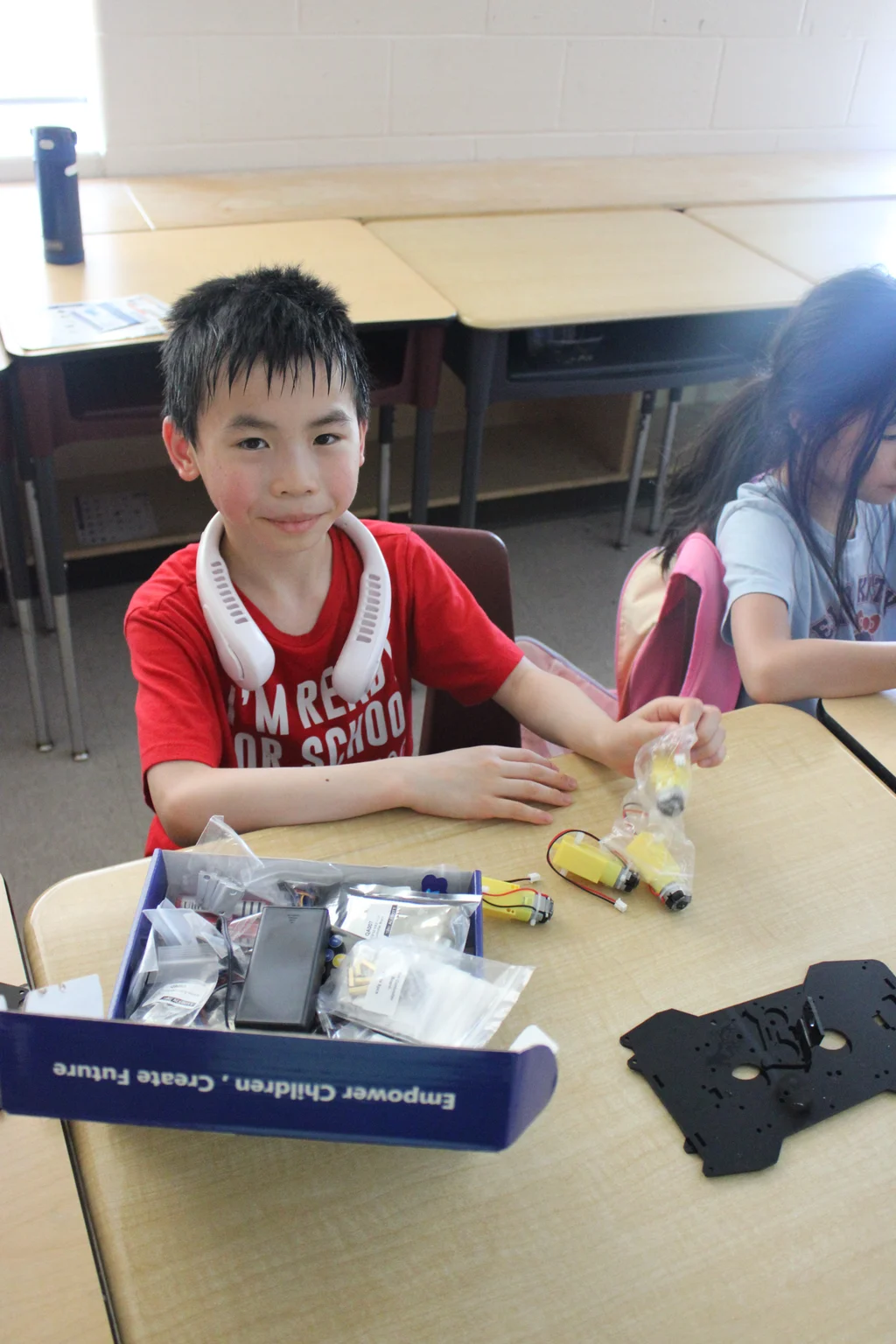 Structured STEM challenges let kids test ideas, learn from mistakes, and build confidence as problem‑solvers.
What this looks like at camp
- Designing and testing simple machines, then improving them based on what worked (and what didn’t).
- Writing code for a small robot, watching it misbehave, laughing, then fixing the bug.
- Working in pairs or groups to brainstorm, sketch, build, and refine a solution.
At a well‑run STEM camp, counsellors and teachers celebrate effort, questions, and re‑tries, not perfection on the first try. That’s a huge gift for kids who are used to grades and right answers.
Benefit 2: Turning school subjects into real life
Many kids think math and science live only in textbooks. A good stem camp blows that myth out of the water. Suddenly, fractions help bake slime that actually holds together, and physics explains why a bike jumps farther off a ramp.
Education groups in Ontario and beyond point out that STEM helps students connect classroom learning with real‑world situations and future careers.([oame.on.ca](https://oame.on.ca/main/files/posStmts/STEM-PositionPaper-2020-06-27.pdf?utm_source=openai)) When kids experience that connection in a low‑pressure setting like camp, school feels more relevant in September.
Real‑world connections kids start to see
- “We used the same kind of measuring in our tower challenge that we used in math class.”
- “Our coding game at camp felt like the apps I use every day.”
- “We talked about engineering when we were building ramps for scooter races.”
Programs like ROUGE‑botics at Rouge Camps lean into those connections on purpose, so kids leave camp with both fun memories and a stronger sense of “Why does this matter?” for school.
Benefit 3: Teamwork, communication, and leadership
STEM projects are rarely solo missions. Whether kids are wiring a simple circuit or planning a Lego city, they have to share ideas, listen, compromise, and make a plan. In other words: all the same group skills they need in sports, school, and eventually work.
In a strong Sports Camp, kids learn to pass the ball and trust their teammates. In a STEM camp, they learn to share the laptop, explain their thinking, and divide tasks fairly. Both settings build leadership, just in slightly different ways.
How counsellors build these skills
- Assigning rotating roles (builder, coder, tester, presenter) so every child contributes.
- Encouraging campers to present their projects to the group in kid‑friendly language.
- Using “team challenges” where success depends on working together, not being the fastest individual.
STEM learning isn’t only about gadgets and code, it’s about learning to think and work well with other people.
Benefit 4: A healthier relationship with screens
Parents sometimes worry that a summer STEM camp will mean more screen time. The reality, especially in teacher‑led programs, is often the opposite. Screens are a tool, not the main event.
At Rouge Camps, for example, coding or robotics blocks are broken up with gym time, outdoor games, and traditional camp activities. Kids might use tablets to program a robot, then race that robot through a course they built with pool noodles outside.
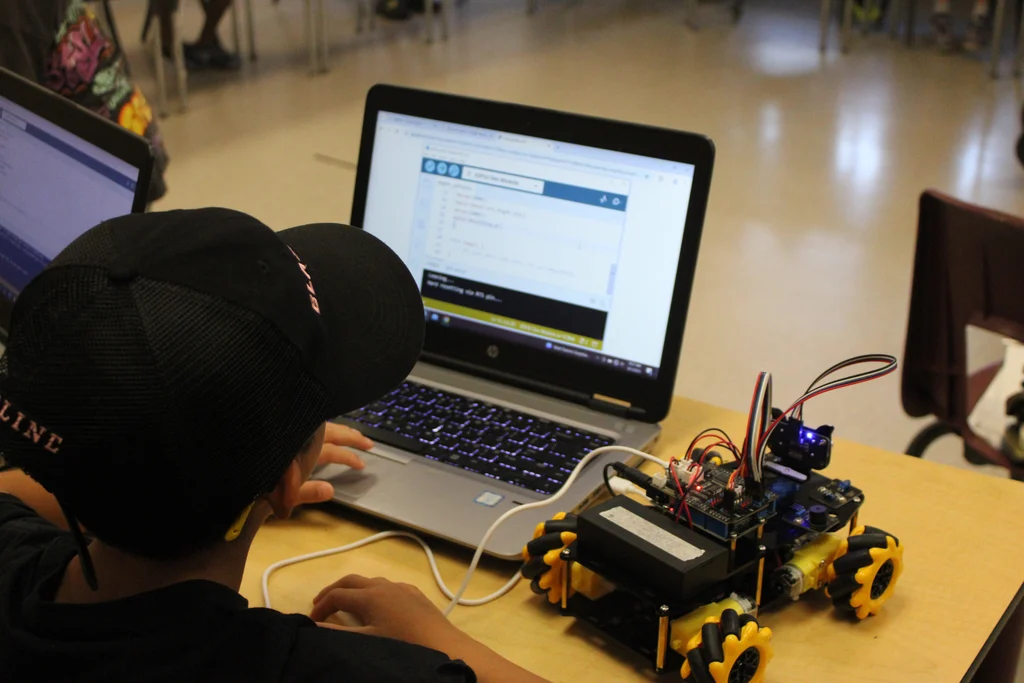 Balanced tech use at STEM camps can mean short bursts of coding followed by active, off‑screen challenges.
What “balanced tech use” can look like
- Short, focused coding sessions followed by active challenges based on the code they wrote.
- Hands‑on building with real materials: cardboard, tape, wood blocks, simple tools.
- Plenty of classic camp time, tag, soccer, water games, and creative play.
The goal isn’t to keep kids away from technology. It’s to help them see tech as something they can control and create with, not just something they consume.
Benefit 5: Safe, structured care that still feels like camp
Let’s be honest: many families choose day camps because they need reliable care while they work. STEM camps can meet that need while also giving kids an “overnight camp feel” close to home.
At a camp led by Ontario‑certified teachers and experienced counsellors, families get:
- Consistent daily schedules, so kids who thrive on routine feel comfortable.
- Clear safety procedures, especially around tools, equipment, and any tech use.
- Thoughtful inclusion supports so more kids can participate in STEM experiences.
That structure matters just as much as the projects themselves, especially for kids who can feel overwhelmed in new environments.
How STEM camp fits with sports, bike, and other camps
Choosing camps isn’t a one‑lane road. Maybe your child spends two weeks at a multi‑sport camp, a week at a bike camp for kids, and another week in a STEM program. That mix lets them stretch different muscles, literally and figuratively.
For kids who are “Big Movers” and love to run, jump, and climb, STEM doesn’t have to mean sitting still. Look for programs (like STEM at Rouge Camps) where robotics or building blocks are paired with active games, outdoor challenges, and camp‑wide events.
Sample 4‑week summer plan
- Week 1: Sports Camp to get the wiggles out and settle into a routine.
- Week 2: STEM camp focused on robotics and simple engineering.
- Week 3: Bike camp for kids who want to build skills and confidence on wheels.
- Week 4: Another general camp week where kids reconnect with favourite counsellors and friends.
Mixing camp types like this keeps summer fresh while still giving parents consistent hours and a single trusted provider where possible.
Are STEM camps worth it for younger kids (including 4‑year‑olds)?
Short answer: yes, if the program is designed with their age in mind. When families search for summer camps for 4 year olds, they’re often picturing circle time, outdoor play, and simple crafts. All of that can sit comfortably alongside early STEM experiences.
For younger campers, the best “STEM” often looks like:
 Age‑appropriate STEM activities for younger kids focus on playful exploration, like water tables and ramps.
- Playing with water tables, ramps, and blocks to explore cause and effect.
- Sorting, counting, and pattern games that feel like play, not worksheets.
- Story‑based activities where characters solve simple problems together.
If you’re considering a program like Rouge Camps for a younger child, look for age‑specific groups and gentle introductions to activities, so four‑ and five‑year‑olds aren’t dropped into the same projects as pre‑teens. An early years‑friendly STEM block paired with plenty of gross‑motor play is a sweet spot.
Many parents start their younger children in a more general program and add a dedicated STEM week a year or two later. That gradual approach works well if you’re not sure your child is ready for full days of focused projects.
What to look for in a STEM summer camp near you
Whether you’re in Markham, Richmond Hill, Vaughan, or nearby, the checklist for a quality STEM camp is similar. Use these questions when you talk to any provider.
Program quality questions
- Who designs and leads the STEM activities, Ontario‑certified teachers, experienced instructors, or general counsellors?
- Are projects truly hands‑on, or mostly screen‑based?
- How are STEM blocks balanced with outdoor play, sports, and unstructured time?
- Does the camp share a sample schedule or program outline?
Safety and inclusion questions
- What are the camper‑to‑staff ratios in STEM sessions?
- How are tools, devices, and materials stored and supervised?
- Is there support for campers with learning differences or special needs?
- Does the camp offer financial assistance or partnership with a charity for accessibility?
At Rouge Camps locations across York Region, programs are designed with all of this in mind, blending STEM blocks with the same structure, leadership, and camp culture that families know from other Rouge programs.
Next steps: visit, ask questions, register
If STEM is on your radar for this summer, here’s a simple way to move forward:
- Shortlist camps that offer a dedicated summer STEM camp or robotics option as part of a broader program.
- Book a call or visit to ask the questions above and get a feel for the camp culture.
- Talk with your child about what excites them, robots, building, science experiments, and share sample photos or schedules.
- Register early to secure weeks that work with your family calendar and childcare needs.
For many families, one STEM week at a place they already trust becomes a summer highlight. Kids come home talking about code and catapults, but also about counsellors they love, new friends, and that big camp energy that’s hard to describe, but easy to spot at pickup time.
If you’d like to explore STEM options alongside multi‑sport and other camps, you can learn more about programs like ROUGE‑botics and other Rouge Camps programs, then save your child’s spot.
Key takeaway
STEM education in summer camps isn’t about turning kids into engineers overnight. It’s about giving them time, space, and support to tinker, ask questions, work with others, and see that they’re capable of more than they thought, skills that matter long after the last day of camp.
Frequently Asked Questions
What are the main STEM camp benefits for kids?
STEM camp benefits include stronger problem-solving skills, improved creativity, teamwork, confidence, and hands-on learning experiences that help children apply science, technology, engineering, and math concepts in real life.
What happens at a STEM summer camp?
A STEM summer camp usually includes robotics, coding, engineering challenges, science experiments, and collaborative building activities mixed with traditional camp fun like outdoor games, sports, and team activities.
Is a STEM camp a good fit for active kids who also enjoy sports?
Yes. Many STEM camps balance hands-on learning with movement-based activities. Programs that combine STEM with Sports Camp activities, outdoor games, and active challenges help energetic kids stay engaged throughout the day.
Are STEM camps worth it for younger children and summer camps for 4 year olds?
Yes, as long as the program is designed for younger age groups. The best summer camp North York programs for 4 year olds introduce STEM concepts through playful exploration, building blocks, water play, simple experiments, and creative problem-solving activities.
How does STEM camp compare to bike camp for kids or traditional summer camps?
STEM camp focuses more on creativity, engineering, coding, and problem-solving, while a bike camp for kids emphasizes physical skills, riding confidence, and outdoor movement. Many families combine STEM weeks with sports, biking, or general camp programs to create a balanced summer experience.
What should parents look for when choosing a summer STEM camp?
Parents should look for teacher-led programming, hands-on projects, balanced screen use, outdoor activity time, strong camper-to-staff ratios, and programs that encourage collaboration, creativity, and active learning in a supportive camp environment.